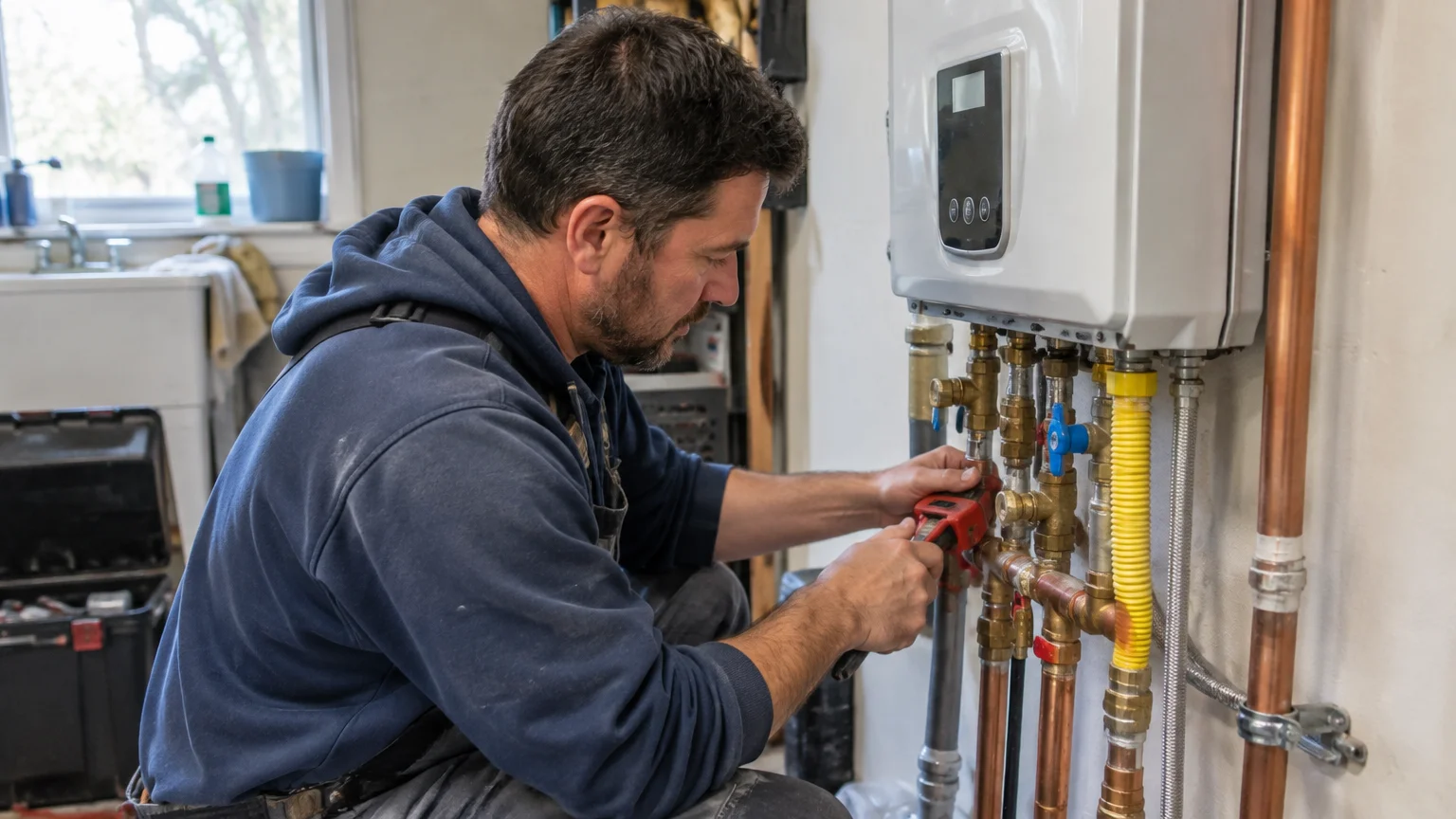
The tankless water heater repair cost depends on the fault, unit type, access, parts, and time needed for safe repairs. A filter or sensor issue is often less involved than a damaged board, heat exchanger, vent, or gas line. A proper diagnosis helps compare repair with replacement before work starts.
Table of Contents
- What factors affect tankless water heater repair cost?
- What are the most common tankless water heater problems?
- When should a tankless water heater be repaired?
- When is tankless water heater replacement a better option?
- How does tankless water heater repair compare with replacement?
- How can homeowners prevent expensive tankless water heater repairs?
- How can you choose the right tankless water heater repair professional?
- Frequently Asked Questions
What factors affect tankless water heater repair cost?
The main factors are the failed part, fuel type, access, and repair difficulty. A plumber must also check if the system meets current safety rules. Gas, electric, and propane water heaters use different parts and need different tests.
A diagnosis comes before a reliable quote. The plumber may check water flow, inlet filters, power, gas supply, venting, sensors, error codes, and temperature settings. These checks help separate a small fault from a larger system problem. They also help prevent parts from being changed before the real cause is known.
The heater’s location can affect the work. A unit in an open utility room is easier to inspect than one behind shelves or inside a small cabinet. Corroded fittings, blocked vents, hard-to-reach valves, and damaged wires can add work. A commercial system may need a wider review because more people rely on it.
Parts also affect repair costs. Common parts include filters, flow sensors, ignition parts, thermostats, control boards, and heat exchangers. Some parts are simple to change, while others need careful testing and setup. Older or unusual models may have limited parts support.
The final cost is confirmed in a written quote after diagnosis. Grand Terrace Plumber helps Grand Terrace homeowners understand which findings matter and which options fit their systems. This same careful process can help property owners in Downtown Grand Terrace, Blue Mountain, Highgrove, Colton, Loma Linda, Riverside, South San Bernardino, and nearby Inland Empire communities plan the work.
What are the most common tankless water heater problems?
Common problems include no hot water, changing temperatures, low flow, error codes, mineral buildup, leaks, and ignition trouble. Each symptom may have several causes. The symptom alone does not show which part failed.
Why is there no hot water?
No hot water may come from a tripped breaker, closed valve, failed igniter, gas supply problem, blocked filter, or control fault. An electric unit may need a power check. A gas unit may need checks of the gas line, flame sensor, vent, and ignition system.
Homeowners should not remove gas covers or test gas fittings. If there is a rotten-egg smell, hissing sound, or concern about a gas leak, leave the area. Call the gas utility or emergency services from a safe place. Do not use switches, flames, or electrical tools near the suspected leak.
Why does the water temperature change?
Temperature changes can come from low water flow, a dirty inlet filter, scale inside the heat exchanger, a failed sensor, or several fixtures running together. A mixing valve or plumbing crossover may also affect hot water delivery.
Low flow can stop a tankless heater from firing. A partly closed valve, clogged aerator, or blocked showerhead may reduce flow at one fixture. A whole-home flow problem needs a wider plumbing check, especially when the home also has low water pressure.
Leaks need quick attention. Water may come from a connection, pressure relief part, internal seal, or damaged heat exchanger. Turning off the water supply may limit damage when safe. A leaking gas appliance needs care from a qualified professional.
When should a tankless water heater be repaired?
A tankless water heater should usually be repaired when the main unit is sound and the fault has a clear fix. Repair often makes sense when the heat exchanger is serviceable, parts are available, venting is safe, and the system has a good maintenance record.
Repair may restore steady service when the problem involves a filter, sensor, ignition part, valve, wire connection, or control setting. Descaling may also help when mineral buildup limits heat transfer or water flow. The cause still needs to be confirmed before parts are changed or cleaning begins.
The system’s age matters, but age alone does not decide the answer. A well-kept unit with one failed sensor may be a good repair choice. A newer unit with a damaged heat exchanger needs a closer review because that part is central to safe operation.
Maintenance history also matters. Regular flushing, clean filters, safe venting, and proper water flow can support longer service. A unit that missed maintenance may have more than one problem. The plumber should explain which repairs are urgent and which can wait.
Homeowners can safely check the display for an error code, confirm that supply valves are open, and see if the breaker has tripped. They should not bypass safety controls, open gas connections, or work on live wires. A repeated error needs professional testing instead of repeated resets.
When is tankless water heater replacement a better option?
Replacement may be better when the unit has repeated failures, major internal damage, unsafe venting, poor parts support, or a repair that will not restore dependable service. The choice should compare the unit’s condition with the likely value of a new system.
A failing heat exchanger is a serious warning sign. Cracks, heavy corrosion, or repeated leaks may show that the system is no longer a sound repair choice. Burn marks, damaged wires, or vent problems also need prompt professional review.
What signs point to replacement?
Replacement deserves consideration when several of these signs appear together:
- Repeated service calls for different failures
- Ongoing temperature swings after earlier repairs
- Major corrosion, leaking, or heat exchanger damage
- Parts that are no longer supported by the maker
- Venting, gas, electrical, or water connections needing major changes
- A unit that no longer meets the home’s hot water needs
Property needs can change over time. A growing household, added bathroom, rental conversion, or business use may need more flow than the current heater can provide. A professional can review peak demand before a replacement model is chosen.
A new unit may need updated venting, gas capacity, electrical supply, condensate drainage, or water connections. These needs should be checked before the old system is removed. Choosing a model based only on its label can lead to poor performance or added work later.
Grand Terrace Plumber serves Grand Terrace and nearby properties with repair and replacement guidance. The right answer depends on safety, system condition, hot water demand, and the written findings from a qualified plumber.
How does tankless water heater repair compare with replacement?
Repair keeps the existing heater and focuses on the failed part or condition. Replacement removes the old unit and installs a new system that must match the building, fuel source, water demand, and local rules. These options involve different levels of work.
A repair may include testing, cleaning, part replacement, leak correction, flow checks, or control setup. The plumber should test the unit after the repair. Testing may include ignition, temperature, water flow, safety controls, and error codes.
Replacement includes equipment selection, removal, new connections, venting review, startup, and system testing. Tankless water heater installation may also need changes to gas capacity, electrical circuits, water lines, isolation valves, or condensate drainage. The exact work depends on the current setup.
Fuel type is important. Gas and propane units need safe combustion air and venting. Electric models need enough electrical capacity and correct wiring. A new unit should not be connected to an unsuitable supply simply because the old heater used it.
Homeowners should ask if the proposed model can meet peak demand. A small unit may struggle when showers, laundry, and kitchen fixtures run together. A unit that is too large may not suit the building’s supply or use pattern.
The installation plan should cover permits, code checks, maker instructions, and disposal of old equipment where required. A written quote should explain the recommended work, parts, and separate changes. It should not assume that every replacement is a simple swap.
How can homeowners prevent expensive tankless water heater repairs?
Regular maintenance can reduce scale, flow problems, and early part failure. The maker’s instructions should guide cleaning, filter care, temperature settings, and service timing. Water conditions vary, so a home with hard water may need more attention than one with softer water.
Descaling removes mineral deposits from the heat exchanger. Scale can reduce heat transfer and restrict water flow. A qualified plumber can choose the right cleaning method and confirm that the unit is safe to use again.
Homeowners can do simple checks without opening the appliance. They can keep the area clear, look for visible water, check the display, clean accessible faucet aerators, and make sure outside vents are free from leaves and stored items. They should follow the user manual and stop when a check involves gas, wires, or sealed covers.
Useful upkeep includes:
- Keep the heater area dry, clean, and easy to reach
- Watch for leaks, odd sounds, or changing temperatures
- Clean accessible inlet filters as the manual directs
- Avoid blocking air openings and vent ends
- Record error codes instead of resetting the unit repeatedly
- Arrange service when flow or temperature problems return
Homeowners should never test a gas leak with a flame. They should not remove combustion covers, adjust gas pressure, or work on live electrical parts. If a leak is suspected, leaving the area and calling the proper emergency contact is safer than trying to find it.
The same care helps related plumbing systems. Low water pressure, blocked fixtures, and poor flow can affect a tankless heater. A plumber for water heater repair can check whether the heater is at fault or whether the home’s plumbing is causing the symptom.
How can you choose the right tankless water heater repair professional?
Choose a professional who can explain the diagnosis, confirm system fit, and provide a written quote before approved work. The plumber should understand gas and electric tankless systems when both types matter for the property.
A homeowner can ask what tests will be done, which part failed, whether the unit can be repaired safely, and what happens if the issue returns. It is also fair to ask how the repair affects maker instructions, permits, venting, and local code needs.
What should happen during an inspection?
A careful inspection may include these steps:
- Review the complaint, error history, and recent system changes.
- Check water flow, valves, filters, temperature, and pressure.
- Test power, gas supply, ignition, sensors, and venting as needed.
- Inspect for leaks, scale, corrosion, damaged wires, and unsafe connections.
- Explain repair and replacement choices in clear language.
- Provide a written quote before approved work begins.
The professional should not promise a result without testing the system. The quote should name the diagnosed problem and proposed work. It should also explain whether testing after the repair is included.
Local knowledge can help with access, building layouts, permits, and service needs. Grand Terrace Plumber works with homeowners and property owners across the wider Grand Terrace City area. The company’s experience and clear communication matter, but safety and a sound diagnosis matter most.
Key takeaways
- Diagnosis comes first because one symptom can have many causes.
- Repair may suit a sound unit with a clear fault and available parts.
- Replacement may suit a failing system with major damage or repeated faults.
- Gas, venting, and electrical work need qualified service.
- A written quote confirms the final cost after the system is inspected.
Conclusion
Tankless water heater repair cost is shaped by the fault, parts, access, fuel type, and work needed for safe service. Repair can make sense when the unit is in good condition. Replacement may be wiser when failures repeat or major parts are damaged.
Contact us to arrange a tankless water heater inspection and written quote for a home or business in Grand Terrace. Grand Terrace Plumber can help identify the cause, explain the options, and plan the next safe step.
Frequently Asked Questions
Is a tankless water heater worth repairing?
A tankless water heater is often worth repairing when the main unit is sound and the fault has a clear fix. A failed sensor, filter, ignition part, or control may be repairable. Repeated breakdowns, major corrosion, poor parts support, or heat exchanger damage may make replacement the better choice.
How long do tankless water heaters usually last?
Service life depends on water quality, use, installation, maintenance, and unit design. Regular flushing and filter care can help limit scale and flow problems. A plumber should review the unit’s condition, repair history, and parts support instead of using age alone.
Can a homeowner descale a tankless water heater?
Some homeowners can follow the maker’s cleaning instructions, but descaling needs the right valves, solution, tools, and steps. The appliance must be isolated safely before work starts. A professional should handle it when the setup is unclear or when gas, wiring, leaks, or damaged parts are involved.
What should someone do if a tankless heater smells like gas?
Leave the building or danger area without using switches, flames, phones near the suspected leak, or other ignition sources. From a safe location, contact the gas utility or emergency services. Do not try to find or repair the leak. A qualified plumber can inspect the heater after the area is declared safe.
Can low water pressure cause tankless heater problems?
Yes. Low flow or pressure can stop some tankless heaters from firing or cause changing temperatures. The cause may be a blocked filter, closed valve, clogged fixture, pressure issue, or wider plumbing fault. A professional can test the heater and supply instead of changing parts based only on symptoms.
If you are not sure what you are dealing with, it is worth having someone look at it before it turns into a bigger job. Get in touch with Grand Terrace Plumber today and we will tell you where you stand.