The choice to repair or replace a leaky faucet depends on its age, condition, leak source, and repair history. A worn washer or cartridge may need a simple fix. Cracks, deep rust, poor fit, or repeated leaks often support replacement. Grand Terrace Plumber helps property owners choose a safe and lasting option.
Table of Contents
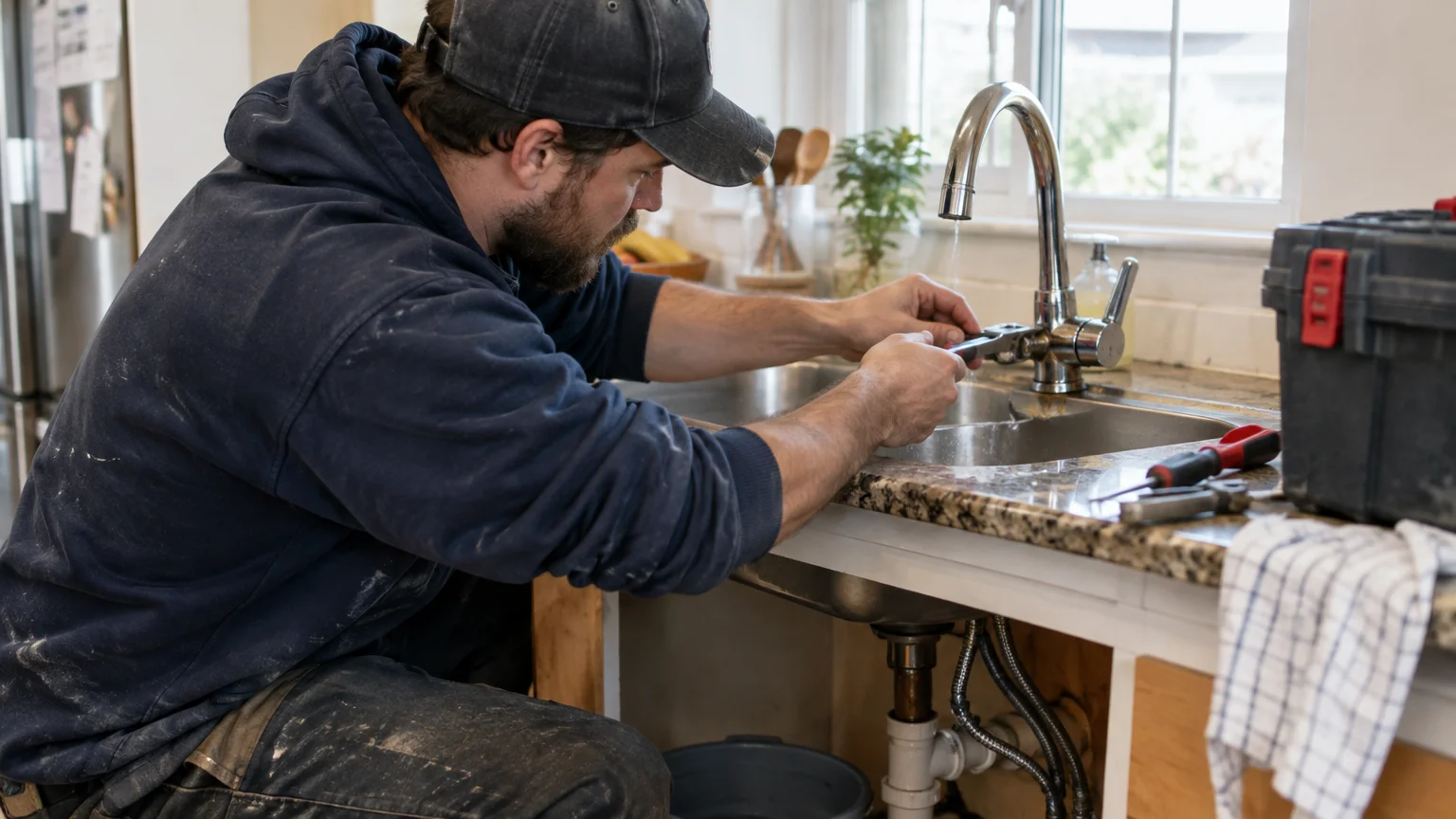
- Should you repair or replace a leaky faucet?
- What causes a faucet to leak?
- When is repairing a leaky faucet the better option?
- When should you replace a leaky faucet?
- How much does it cost to repair or replace a leaky faucet?
- How do you choose a reliable replacement faucet?
- What should you do after fixing or replacing a leaky faucet?
- Frequently Asked Questions
- Conclusion
Should you repair or replace a leaky faucet?
A leaky faucet can often be repaired when the main body is sound. The problem may come from a washer, cartridge, O-ring, or seal. Repair is often a good choice when the fixture is fairly new, fits the room, and has not caused repeated trouble.
Replacement may make more sense when the faucet has cracks, deep rust, loose parts, or damage near its base. A faucet that leaks again after proper repairs may have worn internal surfaces. Another small fix might only delay a larger plumbing repair.
How faucet age and condition affect the decision
Age alone does not answer the question. A well-made faucet may work for many years when parts are still available. A newer fixture may still need replacement if it has weak parts, heavy rust, or damage from freezing.
Look at the full fixture, not only the drip. The handle should move with ease. The spout should stay firm. Supply connections should stay dry. The base should not move when the faucet is used. These checks help separate a worn part from a failing fixture.
When a small leak signals a larger plumbing problem
Water at the handle, base, or cabinet may come from several places. A leak under a sink may involve the supply line, shutoff valve, drain, or faucet connection. A wall stain, soft cabinet, damp counter, or musty smell needs quick attention.
Shut off the local water supply when it is safe. Then dry the area and watch for more water. If water continues, the shutoff valve may not work. Grand Terrace Plumber helps Grand Terrace homeowners, landlords, and business owners find the source before hidden damage spreads.
What causes a faucet to leak?
Most faucet leaks come from worn seals or damaged inner parts. A cartridge is a valve insert that controls water flow and temperature. Washers press against valve seats. O-rings seal moving joints and other connections.
A drip from the spout may point to a cartridge, washer, or valve-seat problem. Water near the handle may come from an O-ring or cartridge seal. Water around the base may come from a worn seal, loose connection, or buildup under the fixture.
Common problems with cartridges, washers, O-rings, and seals
Cartridges wear through normal use. Small scratches can let water pass when the handle is closed. Washers may flatten, split, or harden. O-rings can lose their shape and let water travel along the handle or spout.
Replacement parts must match the faucet model. Similar parts may have different sizes or shapes. Close the shutoff valves before removing parts. Keep each screw and part in order. A quick photo before disassembly can help during reassembly.
A faucet repaired many times may have worn valve surfaces. New seals may not sit well on damaged metal. This explains why a short-term repair may fail on a long-running leak.
How mineral buildup, corrosion, and water pressure contribute
Mineral buildup can collect around the aerator, cartridge, and valve openings. An aerator is the small screen at the end of the spout. It mixes air with water and can collect sediment. Cleaning it may improve flow, but it will not fix every leak.
Rust can weaken threaded parts and make repairs harder. High water pressure can also strain valves, seals, and supply connections. If several fixtures leak or make loud sounds, the issue may affect the whole plumbing system. It may need plumbing repair or pipe repair instead of one faucet fix.
When is repairing a leaky faucet the better option?
Repair is often best when the faucet body is solid and the leak has a clear cause. A clean, undamaged fixture with a dripping spout may need only a cartridge or washer. A loose handle may need tightening or a new screw.
Repair can also preserve a fixture that matches a kitchen, bathroom, older home, or business space. It may avoid changes to sink holes, counter openings, supply lines, and backsplashes. Still, inspect the full fixture before buying a part.
Signs the faucet can be restored with replacement parts
Useful signs include:
- The faucet body has no cracks or heavy corrosion.
- The leak comes from one clear and easy-to-reach spot.
- The handle and spout remain firm during use.
- A matching cartridge, washer, or seal is available.
- The supply connections are dry and in good shape.
A homeowner can often clean an aerator, wipe mineral buildup, tighten a loose handle, and check for damp connections. Turn off the water before removing any parts. Handle small pieces with care because force can damage the faucet or sink.
What to consider before attempting a DIY faucet repair
DIY work is not a good choice when the shutoff valve will not close. It is also unsafe when water is inside a wall or near electrical equipment. Heavy rust can cause parts to break. A tenant should follow the lease and tell the property owner before changing a fixture.
Stop and seek help if the leak grows or the faucet breaks during removal. Get help if a supply connection starts to twist. Grand Terrace Plumber offers fixture guidance across the main Grand Terrace area, including Downtown Grand Terrace, Blue Mountain, Highgrove, Colton, Loma Linda, Riverside, South San Bernardino, and nearby Inland Empire communities. This can help show whether repair is practical.
When should you replace a leaky faucet?
Replacement is often better when the faucet has structural damage, repeated failures, or severe rust. A cracked body may leak again after new seals are installed. A loose base can also let water enter the counter or cabinet.
Replacement may help when the fixture no longer suits the room. A new faucet can offer better handle control, spout reach, cleaning, and water use. The new model must still fit the sink, counter, supply lines, and open space.
Warning signs of corrosion, structural damage, or repeated failure
The following signs support replacement:
- Rust has damaged threads or valve surfaces.
- The faucet body, spout, or handle is cracked.
- The base rocks or will not seal against the sink.
- The same leak returns after proper repairs.
- Matching replacement parts are no longer available.
- Water has damaged the cabinet, counter, or wall.
A faucet may look fine while rust harms hidden connections. Inspect beneath the sink with a dry cloth. Look for new moisture after turning the water on. Any damp spot deserves attention.
How fixture style, compatibility, and installation affect replacement
The new faucet must match the sink’s mounting holes and spacing. Common layouts include single-hole, centerset, and widespread designs. A deck plate or different supply connection may be needed when the new design does not match.
Kitchen faucets also need enough height and reach for the sink. Bathroom faucets should fit the basin and drain area. Commercial fixtures may need strong parts, sensor controls, or features for frequent use. Plumbing Fixture Installation should include access checks, new seals, and final testing.
How much does it cost to repair or replace a leaky faucet?
The final cost depends on the faucet type, parts, access, damage, urgency, and related plumbing work. A simple part change is usually less involved than removing a badly rusted fixture. A full replacement may need new connections, a deck plate, cabinet access, or counter changes.
Compare repair and replacement by long-term value, not only the first step. Repeated repairs may take more work without fixing damage in the faucet body. A suitable replacement may be more practical when the old fixture has reached the end of its useful service.
The final cost is confirmed on a quote after the faucet and nearby plumbing are checked. Ask what work is included and whether the parts match the fixture. Also ask whether hidden damage could change the work needed. Grand Terrace Plumber can explain the choices for homes and businesses.
What influences the cost of faucet repair
Important factors include:
- The faucet style and inner design.
- The part needed and whether it is available.
- Rust around screws, valves, and connections.
- Access beneath the sink or behind a cabinet.
- Damage to supply lines, shutoff valves, counters, or cabinets.
- Urgency caused by active water loss.
A faucet repair differs from hidden pipe repair or water damage work. If the water source is unclear, leak detection may be needed before choosing a fixture repair. Related work may include drain repair, pipe repair, or water heater repair when other plumbing problems are found.
How replacement compares with repairing related plumbing issues
A faucet may be only one part of the problem. A failing shutoff valve can make a fixture repair unsafe. A damaged supply line may leak after the faucet is replaced. Poor water pressure may affect several fixtures and need wider testing.
The plumber should explain whether the faucet is the source or only where water becomes visible. A clear diagnosis can prevent an unnecessary replacement. It can also help owners plan related work, such as Kitchen Plumbing or cabinet drying.
How do you choose a reliable replacement faucet?
A reliable replacement should fit the sink, suit the room, and use parts that can be serviced later. Check the mounting layout, spout reach, handle position, connection size, and available space. Read the product instructions before buying.
The most complex fixture is not always the best choice. Simple controls may be easier to use and maintain. A business may need a strong faucet for frequent use. A home may need easy cleaning and a comfortable reach.
Which faucet features matter for kitchens, bathrooms, and commercial properties
Kitchen faucets often need a useful swivel range and enough reach to cover the basin. Pull-down or pull-out sprays can help with rinsing. Their hoses and docking parts still need regular care. Bathroom faucets should match the basin and leave room for hand washing.
Commercial fixtures may need durable handles, touch-free controls, or easy-to-clean surfaces. Consider who uses the fixture and how often it runs. Style matters, but easy service matters too.
How to evaluate water efficiency, durability, and installation requirements
Water efficiency means using water wisely while keeping useful flow. Look for recognized efficiency labels and the maker’s flow details. The faucet should meet the sink’s needs without weak flow or poor control.
Durability depends on materials, seals, finish, and repair support. Keep the model details and installation instructions. A professional can check the supply lines, shutoff valves, mounting surface, and connections before testing the new fixture.
What should you do after fixing or replacing a leaky faucet?
After the work, turn the water on slowly and watch each connection. Run the faucet through hot and cold settings. Make sure the handle closes fully. The cabinet beneath the sink should stay dry during use and afterward.
A dry cloth can find small leaks better than a quick look. Check again later, especially after using the fixture several times. Any drip, movement, noise, or change in flow needs attention.
How to check for leaks and confirm proper operation
Use this simple check:
- Open the shutoff valves slowly.
- Run cold and hot water at normal flow.
- Inspect the spout, handle, base, and supply connections.
- Check the cabinet floor and wall behind the sink.
- Close the faucet and watch for continued dripping.
The faucet should not wobble or spray at the aerator connection. If a threaded joint stays damp, it may need adjustment. Do not force a fitting. Too much force can harm seals or threads.
Maintenance steps that help prevent future faucet problems
Clean the aerator when the flow becomes uneven. Wipe away soap and mineral deposits before they harden. Avoid harsh tools and strong cleaners that can scratch the finish. Check the cabinet and exposed supply lines from time to time.
Do not ignore a dripping faucet. Small leaks can stain surfaces, waste water, and hide a failing part. Property owners can contact Grand Terrace Plumber about faucet repair, replacement, Toilet Repair, and related fixture concerns.
Frequently Asked Questions
Is it better to repair or replace a dripping faucet?
Repair is often suitable when the faucet body is sound and the leak comes from a replaceable part. Replacement is usually better when the fixture is cracked, badly rusted, hard to match with parts, or repeatedly fails. Check the full fixture and nearby connections first.
Can a homeowner fix a leaky faucet?
A homeowner can often clean an aerator, tighten a loose handle, or replace a known washer when the shutoff valves work. Turn off the water before taking anything apart. Professional help is safer when valves fail, rust is heavy, water is hidden, or the part is uncertain.
Why does a faucet leak after a new cartridge is installed?
The cartridge may be the wrong model or installed in the wrong position. It may also be damaged during fitting. Debris can remain inside the valve body. A worn valve surface, loose connection, or damaged seal may cause the same leak. Continued leaking calls for a full check.
How can someone find a water leak under a sink?
Dry the cabinet first. Then run the faucet while checking the spout, handle, base, supply lines, shutoff valves, and drain. A dry cloth helps find small drops. If water enters a wall, continues after the valves close, or reaches electrical items, shut off water when safe and seek help.
How long should a replacement faucet last?
Service life varies with fixture quality, water conditions, use, installation, and care. A faucet may last well when seals remain sound and rust is limited. Regular cleaning and early repair help. Repeated leaks, loose parts, or unavailable components are signs to review the fixture.
Conclusion
The choice to repair or replace a leaky faucet starts with a careful check. A sound faucet with one worn part may be worth repairing. A cracked, rusty, unstable, or repeatedly failing fixture may be better replaced. Also check supply lines, shutoff valves, cabinets, and nearby surfaces.
Key takeaways
- Repair is often practical when the faucet body is sound.
- Replace fixtures with cracks, severe rust, or repeated failures.
- Check the faucet, supply lines, shutoff valves, and cabinet together.
- DIY checks are suitable only when water can be shut off safely.
- Choose a replacement that fits the sink and supports future service.
Grand Terrace Plumber helps property owners make informed fixture choices. Grand Terrace homeowners and businesses can turn to Grand Terrace Plumber when a faucet leak needs a clear next step. Contact us to arrange help with a leaking faucet or related plumbing problem.