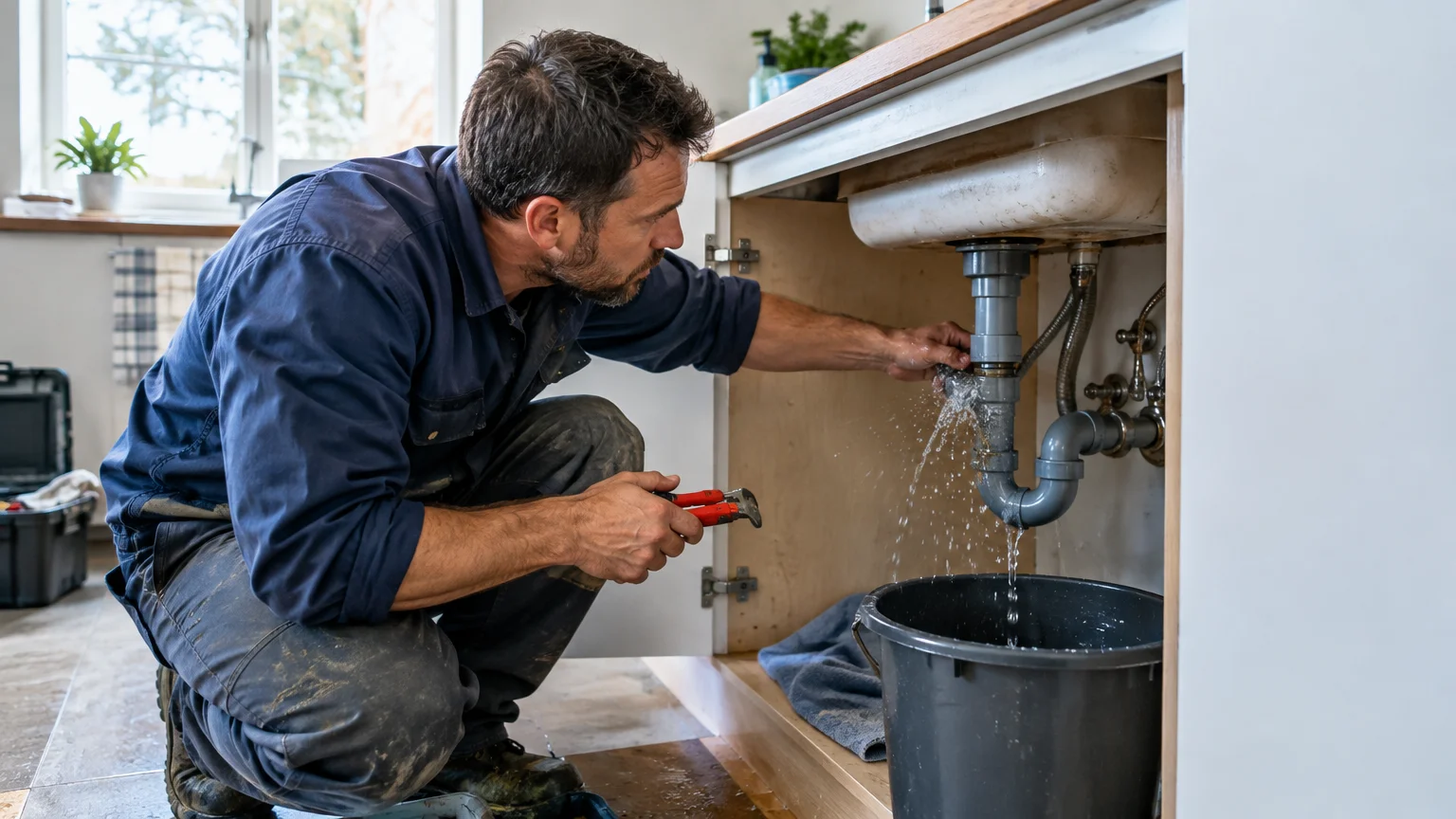
Pipes burst when water pressure gets too high or a pipe becomes weak. Common causes include freezing, corrosion, clogs, high water pressure, and accidental damage. Learning why pipes burst can help homeowners in Grand Terrace spot risks early, protect their property, and act quickly when a pipe fails.
Why do pipes burst?
Pipes burst when pressure pushes against a weak or blocked part of the line. A pipe can also split because its material has worn down or been damaged. The cause may be hard to find because pipes often run behind walls, under floors, or underground.
How can freezing temperatures and pressure changes damage pipes?
Water expands when it freezes. If water freezes inside a pipe, that pressure can crack the pipe. Lines in unheated spaces face greater risk, including pipes in crawl spaces, garages, and outside walls. A tap that slows or stops during cold weather may mean the line is frozen. Never use an open flame to thaw a pipe. It can start a fire or damage the pipe.
A sudden change in water pressure can also strain pipes and joints. Water pressure that stays too high may weaken connections over time. A plumber can check the system and find out if pressure needs attention. Changes in flow or repeated leaks are good reasons to look into the cause.
How do corrosion, aging, and poor installation lead to pipe failure?
Corrosion is damage that slowly wears away metal. Older copper plumbing pipes can develop weak spots as they age. Water and the pipe’s condition can affect how quickly they wear. Plastic pipes can also crack or fail if they are damaged, not held in place, or joined the wrong way.
Pipe fittings are the parts that connect sections of pipe. They need secure joints to carry water without leaks. Poorly fitted connections may loosen or fail as the system is used. The right plumbing PVC pipes and fittings depend on where a pipe sits and what it carries. Vent pipes also need sound supports and connections. A damaged vent does not carry household water, but it can still cause plumbing problems. Grand Terrace Plumber can help find pipe or connection issues before they turn into a larger leak.
What other problems can cause pipes to burst?
Clogs, excess pressure, shaking, soil movement, and impact can all harm pipes. Some problems build over time, while others cause a sudden break. Finding the cause matters because fixing only the visible leak may leave the main risk in place. In Grand Terrace, watch for changes in water flow or signs of dampness around plumbing.
How can clogs, high water pressure, and water hammer stress pipes?
A clog blocks water from flowing as it should. A drain blockage can make water back up and spill from a fixture. A blocked drain does not always cause a pipe to burst. Still, repeated backups can put stress on plumbing and point to a problem that needs care. Drain cleaning may help when a blockage keeps returning.
High water pressure can strain pipes, fittings, and appliances. Warning signs may include banging pipes, leaking connections, or faucets with unusually strong flow. Water hammer is a sharp bang that happens when moving water stops or changes direction suddenly. Loose pipes can make the noise louder. Repeated shocks may harm joints over time, so it is best not to ignore them.
How can shifting soil, tree roots, and accidental damage break pipes?
Underground pipes and connections can move when soil shifts or settles. Tree roots may enter a damaged drain line through an opening. Roots can then block the line or make existing damage worse. Digging, building work, and heavy objects can also crush or puncture buried pipes.
Inside a home, a nail or screw can hit a pipe behind a wall. Have a leak checked soon if it appears after home repairs. Low water pressure can have several causes, such as a leak, a clog, or a problem with the water supply. A licensed plumber can test the system and find the source instead of guessing. This can help prevent a small fault from causing more damage.
How can you prevent pipes from bursting?
Homeowners can lower the risk of pipe failure with simple checks and basic care. Protect exposed pipes, watch for leaks, and notice changes in pressure or flow. You do not need a professional for safe, simple checks around your home. Ask a plumber to inspect damage, repeated leaks, or pipes that are hard to reach.
What maintenance helps protect pipes from pressure, corrosion, and blockages?
Homeowners can look for damp spots, rust-colored marks, slow drains, and loose pipe supports. They can clear ordinary debris from drain strainers and avoid pouring grease or putting bulky waste down drains. These simple checks are usually safe to do without a professional. Keep an eye on small leaks, too, since water can harm floors, cabinets, and walls.
Do not open walls, cut pipes, or use harsh tools to clear a deep blockage. These jobs can cause more damage or expose hidden hazards. A plumber can check water pressure, worn fittings, and signs of corrosion. If drains keep slowing or backing up, drain cleaning can help address the blockage. Repairing a small problem early may help protect nearby parts of the home.
How should you prepare plumbing for freezing weather or an extended absence?
Before freezing weather, seal drafts near exposed pipes and keep vulnerable spaces warmer. When it is safe, let warm air reach pipes inside cabinets or other enclosed spaces. If the home will be empty during cold weather, ask someone to check it. Make sure you know where the main water shutoff is before an emergency happens.
If a pipe freezes, do not keep running water through a line that may have split. Shut off the water if you see a leak, then call a plumber to check the pipe. Homeowners can take these basic steps on their own. Hidden pipes and damaged lines need professional care to find and fix the problem safely.
Key takeaways
- Freezing, corrosion, high pressure, clogs, and physical damage can weaken pipes.
- Banging sounds, leaks, slow drains, and low water pressure need attention.
- Homeowners can do simple checks but should not cut or heat damaged pipes.
- Know where the main water shutoff is before a plumbing emergency.
What should you do if a pipe bursts?
A burst pipe needs quick action to limit water damage. First, stop the water if it is safe. Then move belongings away from the leak and arrange professional repair. Grand Terrace Plumber helps homeowners and property owners with urgent pipe problems and burst pipe repair.
How can you limit water damage before a plumber arrives?
Take these steps in order, as long as it is safe to do so:
- Shut off the water. Use the home’s main shutoff valve if the leak is severe or you cannot find its source.
- Stay clear of electrical hazards. Do not enter standing water near outlets, appliances, or electrical panels.
- Move belongings and catch drips. Protect items only when the area is safe to enter.
- Open a faucet carefully. This may let some water drain from the pipes after the supply is shut off.
- Contact an emergency plumber. Explain what is leaking and what steps you have already taken.
Do not touch wet electrical equipment or try to fix a burst pipe with household tape. If water is near electrical systems, leave the area and seek emergency help. Take photos of the damage only when it is safe. These steps can help limit harm while you wait for repair.
When is a burst pipe an emergency that needs immediate professional repair?
A pipe spraying water, flooding a room, or leaking inside a wall needs prompt professional attention. The same applies if the shutoff valve will not stop the flow or water is near electrical equipment. Even a small drip can damage a building if it continues or comes from a hidden pipe. For burst pipes, fast action can help limit damage and support proper pipe repair.
Frequently Asked Questions
What should someone do if a water heater is leaking from the bottom?
A leak near the bottom may come from a fitting, drain valve, or the tank itself. Keep away from hot water and shut off the water supply if it is safe. Turn off power or fuel only if the controls are easy to reach and safe to use. Contact a qualified plumber to find the cause.
How can someone check for a gas leak?
If someone smells gas or thinks there may be a leak, leave the building right away. Do not use switches, flames, phones, or appliances inside. Once outside, contact the gas utility or emergency services. Do not try to find the leak or test a gas line yourself.
Can a homeowner fix a toilet that keeps running?
A homeowner can check whether the toilet handle is stuck or the tank chain is caught. If the problem continues, the fill valve or flapper may need attention. Shut off the toilet’s water supply if it is leaking or will not stop running. Arrange repair if a simple check does not solve the problem.
Can low water pressure mean there is a pipe leak?
Yes, a leak can lower water pressure, but it is only one possible cause. A clogged fixture, a valve problem, or an issue with the water supply may also reduce flow. Check whether pressure is low at one fixture or throughout the property. A plumber can test the system and find a hidden leak.
A burst pipe can cause serious damage, but quick action can limit how far water spreads. Basic upkeep can help you spot risks, while frozen, corroded, or damaged pipes need proper repair. For urgent help from Grand Terrace Plumber, Contact us to discuss the pipe problem.
If you are not sure what you are dealing with, it is worth having someone look at it before it turns into a bigger job. Get in touch with Grand Terrace Plumber today and we will tell you where you stand.