A toilet keeps running when water continues moving from the tank into the bowl, or when the fill valve does not shut off. The most common causes are a worn flapper, high water level, tangled chain, or faulty handle. Homeowners can check these parts safely, while Grand Terrace Plumber can help when simple fixes do not stop the flow.
A running toilet may look like a small problem. It can waste water, make noise, and point to a part that needs care. Many cases are easy to understand. A careful check can show whether you need simple upkeep or professional toilet repair.
Table of Contents
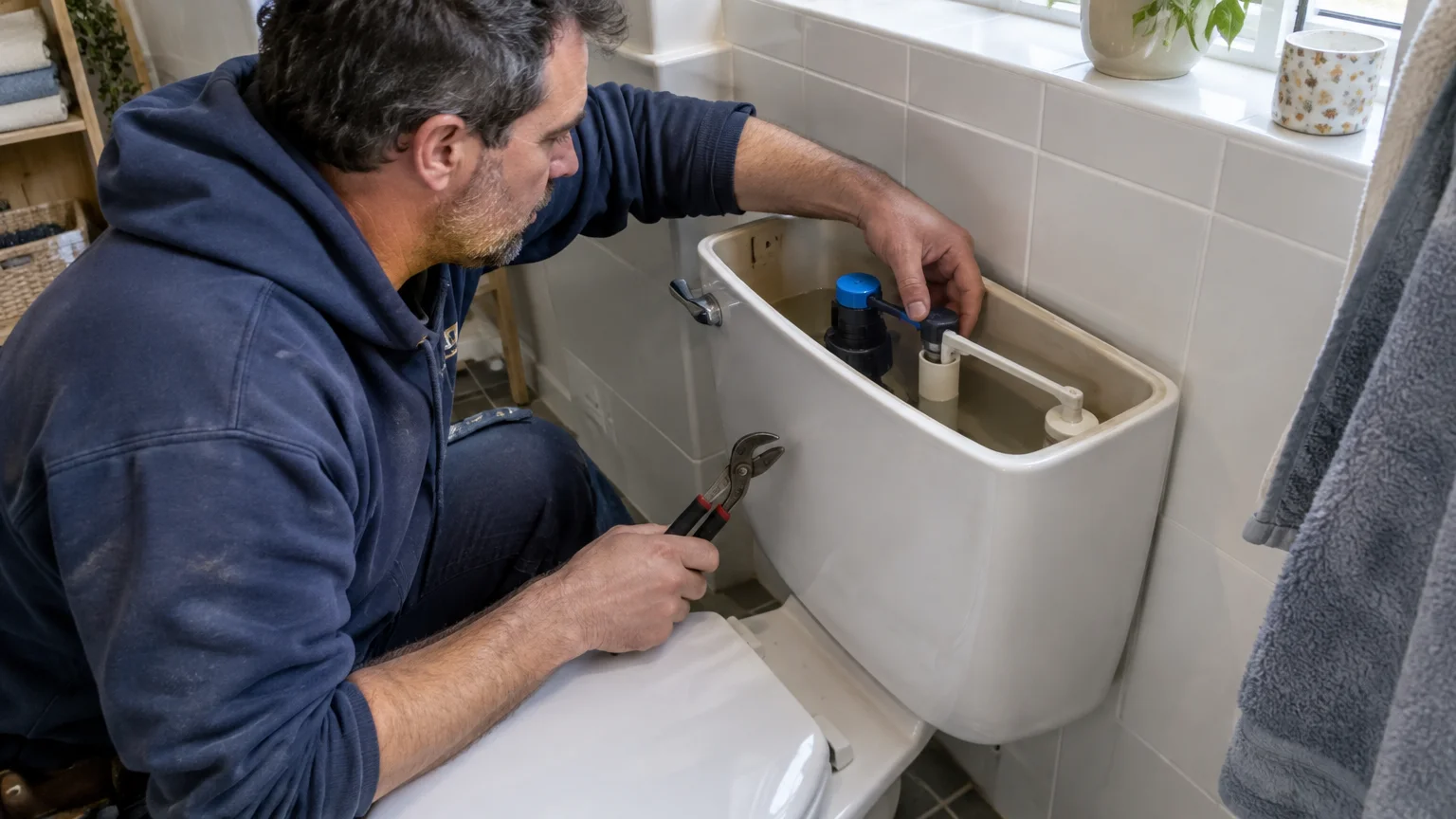
- Why does my toilet keep running?
- Is the flapper causing the toilet to keep running?
- Could the toilet fill valve be the problem?
- How do you check the toilet's water level?
- Can a running toilet cause water damage or higher bills?
- Can a flush handle, chain, or lift arm cause a running toilet?
- Why does a toilet run intermittently?
- How can you fix a toilet that keeps running?
- What should you do if the toilet still runs after repairs?
- When should you call a professional plumber for a running toilet?
- Key takeaways
- Frequently Asked Questions
- Conclusion
Why does my toilet keep running?
A toilet keeps running because water is still leaving the tank, or because the fill valve keeps adding water. The flapper, fill valve, float, chain, and handle work as one system. A small fault in one part can keep the whole toilet running.
How a toilet should stop running after flushing
When you press the handle, the chain lifts the flapper. The flapper is the rubber seal at the bottom of the tank. It lets water move into the bowl. After the tank empties, the flapper should fall back onto its seat.
The fill valve then adds clean water to the tank. The float rises as the water level rises. When the water reaches the right level, the fill valve should close. The tank should become quiet, and the bowl should stop receiving water.
The most common reasons a toilet continues to run
A worn flapper is one of the most common causes. Mineral buildup can also stop the flapper from sealing well. Other causes include a float set too high, a chain that is too tight, or a handle that does not return to its normal place.
Remove the tank lid and watch one full flush. This check can show whether water flows over the overflow tube or leaks below the flapper. In Grand Terrace, older homes may have several worn toilet parts at once after years of use.
Is the flapper causing the toilet to keep running?
The flapper may be the cause if water slowly moves into the bowl after flushing. It should sit flat and make a firm seal. If it is cracked, stiff, warped, or dirty, water can pass around it.
How to inspect the flapper for damage or poor sealing
First, turn off the toilet shutoff valve. It is often near the wall or floor behind the toilet. Flush once to lower the tank water. You can then check the flapper without water spraying from the supply line.
Look for tears, hard rubber, missing tabs, or a loose connection. Check the hinge points and the seat below the flapper. The seat should be smooth. Dirt or mineral deposits can leave a small gap.
A dye test can help find a slow leak. Add a little food coloring to the tank, but do not flush. If colored water appears in the bowl, water is passing through the flapper or its seat. Rinse the bowl after the test if needed.
When cleaning or replacing the flapper can solve the problem
Cleaning may help when the flapper is still soft and in good shape. Wipe the sealing area with care. Do not use sharp tools, since they can scratch the seat. If the rubber feels hard or breaks when touched, replacement is usually best.
The new flapper must match the toilet design. Some toilets use a standard rubber flapper. Others use a special seal or canister part. A part that looks close may still fit badly. Grand Terrace Plumber can help identify the right part when a replacement does not seal.
Could the toilet fill valve be the problem?
The fill valve may be faulty if the toilet hisses, refills without a flush, or sends water into the overflow tube. This valve controls water entering the tank. It should close when the float reaches the set level.
Signs of a faulty or noisy fill valve
A noisy valve may have a worn seal or a blocked screen. Some valves vibrate or squeal while water enters. A valve that runs for a long time after each flush may also need repair.
Watch the tank while it fills. If water rises above the marked line and flows into the overflow tube, the float may be set too high. If the water stays at the right level but the valve keeps running, the valve may not be closing.
A supply line issue can also affect filling. A partly closed shutoff valve may cause weak flow or odd sounds. A bent supply line can do the same. Be careful with an old valve, since forcing it may cause a leak.
How fill valve adjustment differs from replacement
Adjustment changes the point where the float tells the valve to close. Many models have a screw, clip, or sliding part. Make small changes. Test the tank after each one.
Replacement means removing the old valve and fitting a new one. Shut off the water and drain the tank first. Tighten the connection under the tank with care. Too much force can damage the porcelain or supply connection.
A homeowner may adjust an easy-to-reach float or replace a familiar part. A professional plumber is a better choice when the valve is rusty, the shutoff does not work, or the tank connection starts to leak.
How do you check the toilet's water level?
The water should sit below the top of the overflow tube and near the marked fill line. The exact line can vary by toilet model. A water level that is too high may send water into the bowl without a normal flush.
Where the water level should sit in the tank
Remove the tank lid and look for a line on the inside wall. If there is no line, keep the water below the top of the overflow tube. This open pipe keeps the tank from filling too far.
The tank should fill without water spilling into the tube. After the valve closes, the water surface should stay still. Water moving in the bowl can signal a leak, even when the tank level looks normal.
Keep the lid flat when you replace it. A loose lid does not usually cause a running toilet, but it can hide the sound. Removing it makes the parts easier to see.
Why an incorrect float setting causes continuous running
A float set too high lets the tank fill past its proper level. Water then enters the overflow tube and runs into the bowl. The fill valve keeps working because it does not receive the signal to close.
A float set too low can cause a weak flush. The toilet may need a second flush, which adds wear and can hide the real problem. The setting should allow a complete flush without water entering the overflow tube.
Make only small adjustments and test after each one. If the level changes on its own, the float or fill valve may have an internal fault. A professional can also check for a damaged overflow tube or tank fitting.
Can a flush handle, chain, or lift arm cause a running toilet?
Yes. A stuck handle, tight chain, or bent lift arm can hold the flapper open. The toilet may run after a flush, or stop only when someone moves the handle. These parts are simple, but they must move freely.
How to identify a stuck handle or tangled chain
Press and release the handle several times. It should move smoothly and return to its starting place. If it feels stiff, loose, or slow, look inside the tank. The handle arm should not press against the tank wall.
The chain should have a little slack when the flapper is closed. A chain that is too short can hold the flapper open. A chain that is too long may slip under the flapper or fail to lift it well. Remove tangles and check the hook.
The lift arm should move without hitting the lid or other parts. Rust can weaken the arm. A cracked handle may pull unevenly. Replacing a damaged handle is often a simple DIY toilet repair when the shutoff works and the tank parts are easy to reach.
What to check when the flapper does not close fully
Watch the flapper during one flush. It should rise, let water pass, and settle on the seat. If it catches on the chain, arm, or another part, clear the blockage before replacing anything.
A flapper may also close poorly because it is the wrong size. Some tanks need a special replacement. A mismatch can leave a small gap around the seat. The chain must also connect to the correct lifting point.
Do not push hard on porcelain parts. Tanks and bowls can crack from force. If a handle or arm is rusted in place, professional help can prevent a small repair from becoming a larger leak.
Why does a toilet run intermittently?
A toilet runs intermittently when water slowly leaves the tank and the fill valve turns on to replace it. The refill may happen every few minutes or only a few times each day. This often points to a small flapper leak.
How a slow tank leak creates periodic refilling
The tank level drops when water slips into the bowl. The float then lowers, and the fill valve opens briefly. After the tank fills, the valve closes again. This cycle can repeat even when no one uses the toilet.
A flapper leak is common, but a cracked overflow tube or loose tank fitting can also let water escape. A damaged fill valve seal may make the same sound. The tank may stay quiet for long periods, so listening alone may not find the cause.
A running toilet in a guest bathroom can be easy to miss. Property owners should check unused bathrooms during routine care. Tenants should report repeated refilling early, before water reaches flooring or creates another plumbing problem.
Simple tests for locating a hidden toilet tank leak
A dye test can show whether tank water enters the bowl. Add food coloring to the tank and wait without flushing. Colored water in the bowl confirms that water is crossing the flapper or another internal path.
You can also mark the tank water level with a pencil. Turn off the shutoff valve and wait. If the level falls, water is leaving the tank. Do not use a permanent marker on porcelain.
Check the floor around the toilet too. Moisture at the base may point to a seal problem, not only a tank leak. A wet supply connection can also cause trouble. A leak that reaches flooring, walls, or ceilings needs prompt care.
How can you fix a toilet that keeps running?
A homeowner can often fix a running toilet by cleaning the flapper, adjusting the float, clearing the chain, or replacing a worn part. Start by shutting off the water and looking inside the tank. Safety matters more than speed.
A safe step-by-step troubleshooting process
- Turn the toilet shutoff valve clockwise until water stops.
- Flush the toilet and remove the tank lid with care.
- Watch the flapper, chain, float, and fill valve during a test.
- Check whether water enters the overflow tube.
- Inspect the flapper for damage, dirt, and a poor seal.
- Adjust the float in small steps if the level is wrong.
- Test the toilet and check the floor and supply connection.
The shutoff valve should stop the water before work begins. If it will not turn, do not force it. An old valve can break or leak around its stem. A plumber can isolate the water and replace the valve safely.
Tools and replacement parts commonly needed
Basic work may need a cloth, small bucket, sponge, adjustable pliers, and a replacement flapper. Some repairs need a compatible fill valve, handle, chain, or rubber seal. Use the toilet model and tank design to choose parts.
Avoid harsh chemicals inside the tank. They can damage rubber parts and create new leaks. Drain cleaners do not fix a running toilet because the problem is usually in the tank, not the bowl drain.
When a repair does not hold after testing, the part may be wrong or another part may be worn. Repeated removal can damage connections. At that point, professional toilet repair is the safer choice.
What should you do if the toilet still runs after repairs?
If the toilet still runs after a flapper or float adjustment, stop replacing parts at random. Several worn parts may be working together. The flapper seat, overflow tube, fill valve, shutoff valve, or supply line may need a closer check.
When multiple worn components point to a larger issue
A toilet used for many years may have a hard flapper, weak handle, noisy valve, and rusty bolts at once. Replacing one part may reveal another problem. A full check helps show which parts need attention.
Water around the tank bolts or base is a warning sign. Cracks in the tank or bowl are more serious. Porcelain can fail after force is used. A damaged fixture may need professional advice before anyone uses it again.
A slow leak may also come from the connection between the tank and bowl. Tightening bolts too much can crack porcelain. Treat these parts with care, rather than tightening them like metal pipe fittings.
Why shutoff valve or supply problems need professional attention
The shutoff valve controls water to the toilet. If it will not close, leaks near the handle, or stays partly open, the supply connection may need work. Water can escape quickly when an old valve fails during repair.
Do not twist or sharply bend the flexible supply line. Do not reuse it when damaged. A loose nut can leak at the wall or tank. Dry the connection and check it again after water is restored.
Professional help is wise when the bathroom has damaged flooring, a ceiling stain below it, or a toilet that rocks. Grand Terrace Plumber can assess homes and small businesses across the Grand Terrace area, including Downtown Grand Terrace, Blue Mountain, Highgrove, Colton, Loma Linda, Riverside, and nearby Inland Empire communities.
Can a running toilet cause water damage or higher bills?
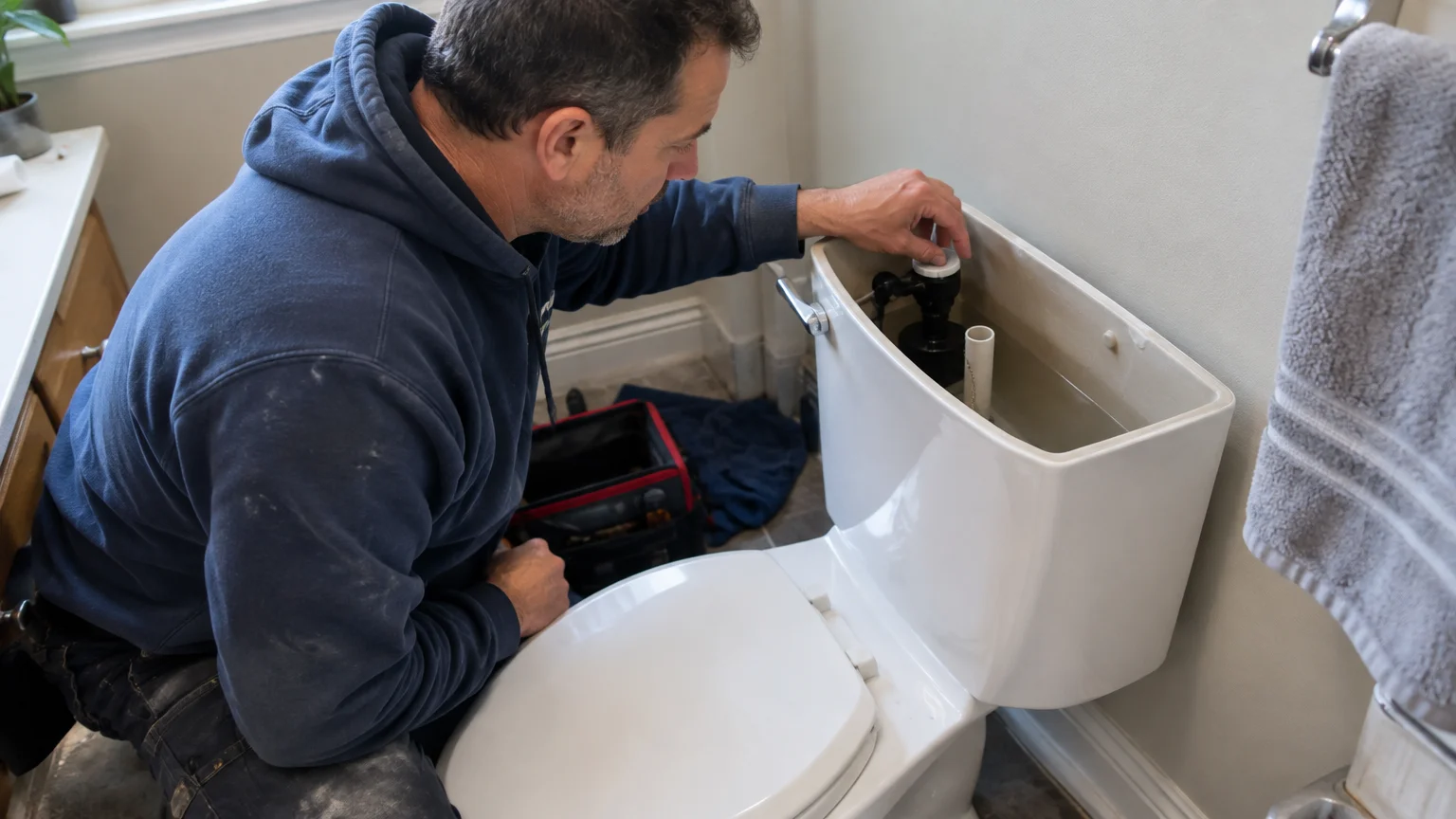
Yes. A running toilet sends water through the fixture longer than needed. It can increase water use, create noise, and wear out toilet parts. A leak at the base or supply line can also damage floors and nearby materials.
How ongoing water flow affects the bathroom and plumbing system
Water moving through the bowl can stain surfaces and leave mineral marks. A constant refill can make the bathroom sound active when no one is using it. In a busy home or business, the issue may continue for hours before anyone notices.
Moisture outside the toilet is a separate concern. Water around the base can reach flooring under the fixture. It may spread into a wall or ceiling below. Drying the area does not repair the source, so the leak should be checked.
A running toilet does not usually mean the main drain is blocked. However, a weak flush, bowl backup, and running tank may happen together. If water rises in the bowl or drains slowly, drain cleaning may be needed as well.
Warning signs that the problem has become urgent
A homeowner should seek prompt plumbing service when these signs appear:
- Water leaks from the tank, supply line, or shutoff valve.
- The toilet rocks, cracks, or shifts at the floor.
- The bowl rises near the rim during a flush.
- A wall or ceiling below the bathroom shows a new stain.
- The shutoff valve will not stop the water.
- The toilet keeps running after several careful repairs.
Close the toilet shutoff valve if it works. If the valve fails, the main water supply may be needed. A plumber can find the source and protect the nearby area from more damage.
When should you call a professional plumber for a running toilet?
Call a professional when basic checks do not solve the problem, water cannot be shut off, or the toilet leaks beyond the tank. Prompt service can also help when the toilet affects a business, rental, or occupied property.
Situations that require prompt plumbing service
Call a professional when water reaches the floor, wall, ceiling, or electrical area. The same applies to a cracked toilet, broken supply line, failed shutoff valve, or bowl that may overflow. These issues can damage more than the fixture.
A plumber is also useful when a replacement part does not fit. Toilet tanks vary by age, brand, and design. The wrong flapper or fill valve may seem to work but still leak. Correct diagnosis can prevent repeated repairs.
Property owners should keep notes about repeated problems. Record sounds, refill timing, water near the base, and past repairs. These details can help the plumber work faster. Tenants should tell the property manager before making changes.
What a plumber checks when basic troubleshooting does not work
A plumber checks the tank parts, flapper seat, water level, overflow tube, handle, chain, supply line, and shutoff valve. The inspection may also include the bowl seal and floor around the fixture. The goal is to find the source, not only quiet the sound.
The plumber may test the toilet through several flushes. This can reveal leaks that do not happen every time. If other fixtures have problems, the plumber may also check water pressure, drain flow, or a nearby pipe connection.
Grand Terrace Plumber helps property owners with running toilets, leaks, blocked drains, and other plumbing concerns. The repair plan depends on fixture condition, access, damaged parts, and urgency. The final cost is confirmed on a quote before approved work begins.
Key takeaways
- A worn flapper is a common reason a toilet keeps running.
- A high float can send water into the overflow tube.
- A loose chain or stuck handle can hold the flapper open.
- Homeowners can inspect simple tank parts when the shutoff works.
- A plumber should handle failed valves, leaks, cracks, and repeated problems.
Frequently Asked Questions
Is it safe to use a toilet that keeps running?
It is usually safe for brief use if the bowl flushes normally and no water leaks outside. Close the shutoff valve when the toilet is not needed. Do not use a toilet that may overflow, leaks at the base, or has a cracked tank.
Why does the toilet run for a few seconds after flushing?
A short refill after flushing is normal. The tank must replace the water used during the flush. The issue begins when the sound lasts too long, starts without a flush, or never stops. These signs may point to a flapper leak, wrong float setting, or bad fill valve.
Can cleaning the flapper stop a running toilet?
Cleaning can help when dirt or mineral buildup blocks the seal. Turn off the water, drain the tank, and wipe the flapper seat gently. Cleaning will not restore rubber that is cracked, hard, warped, or badly worn. Replace that flapper with a compatible part.
How long can a running toilet be left alone?
A running toilet should not be ignored. The longer it runs, the more water it may use. A separate leak can also damage flooring or nearby materials. Close the shutoff valve if it works, and seek help for a leaking valve or supply line.
Can a plumber fix a toilet that keeps running?
Yes. A plumber can inspect the tank, replace worn parts, correct the water level, and check the shutoff valve or supply line. If the cause is a cracked fixture, loose base, hidden leak, or connected drain issue, the plumber can explain the next step.
Conclusion
A running toilet often starts with a small tank problem, such as a worn flapper, loose chain, or wrong float setting. Careful checks can solve simple cases. When water leaks outside the toilet, the shutoff fails, or repairs do not work, professional help can protect the property and find the real cause.
Contact us to arrange plumbing help for a running toilet or another repair.