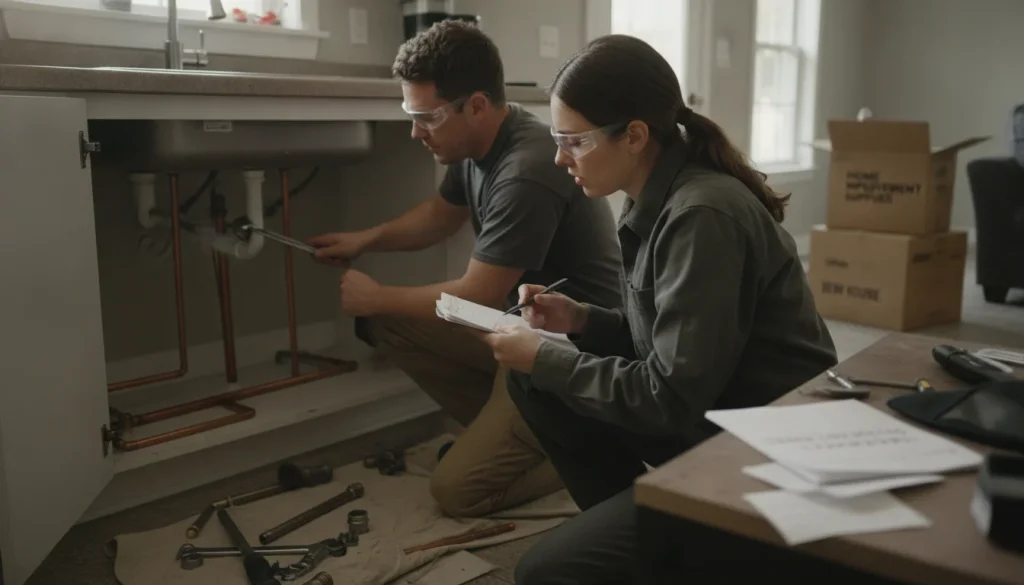
Moving in and finding a drip or a slow tub drain is common, especially in Grand Terrace’s mix of older tract homes and newer builds. Here is the direct answer: plumbing repair costs after buying a house depend on the specific issue, the age and material of your pipes, how accessible the work area is, and any permit or code updates required. Straightforward fixes can be quick to complete; hidden damage or hard‑to‑reach lines take more time and planning.
Grand Terrace Plumber helps Grand Terrace homeowners every week map out sensible first‑year plumbing plans with clear steps and no guesswork.
Key Takeaways
- Costs vary by issue, pipe material, access, and code/permit needs.
- Start with active leaks and safety concerns before elective upgrades.
- Camera and pressure tests help confirm scope before opening walls.
1. What homeowners usually fix first
Leak detection and pipe repairs. Leak detection uses tracing tools or dye to pinpoint water loss. Small leaks often come from worn joints, valves, or pinholes. When pipes are exposed, repairs are simpler; lines inside walls or slabs in Inland Empire slab‑on‑grade homes require planning and careful access.
Drain cleaning and sewer line repairs. Drain cleaning clears clogs in sinks, tubs, and main lines. A sewer line is the buried pipe that carries wastewater to the city main. In Grand Terrace, roots, grease, and aging joints are common culprits. A sewer camera can document cracks, sags, or offsets before they worsen, guiding whether spot repairs or larger work are warranted.
Water heater repair or replacement. The water heater supplies hot water for bathing and cleaning. Typical fixes include heating elements, thermostats, anode rods, or igniters. If the tank is at the end of its service life, a permitted replacement can be the safer, longer‑term choice.
Toilet, faucet, and shutoff valve replacements. A shutoff valve isolates water to a fixture. After move‑in, many owners replace sticky valves, dripping faucets, or dated toilets to stop leaks and improve efficiency. The toilet repair cost depends on parts and access, not just the symptom you see.
Emergency and after‑hours premiums. Work at night, on weekends, or holidays often carries an after‑hours premium to cover rapid response and added staffing. When a pipe bursts, many people end up searching for an “emergency plumber near me” to stop damage fast.
2. What drives the cost of post-purchase plumbing work
Age and material of pipes (galvanized, copper, PEX). Galvanized steel can corrode internally and choke flow. Copper is durable but needs correct joining to avoid pinholes. PEX, a flexible cross‑linked polyethylene line, resists scale and can be faster to route. Older or mixed systems in Grand Terrace ranch homes may need extra fittings and testing.
Access, permits, and required code upgrades. Work behind tile, in slabs, or in tight crawl spaces takes longer. Some projects need city or county permits; code upgrades improve safety and compliance, such as adding vacuum breakers, proper venting, or a water‑heater expansion tank. Expect plan review and inspection timing typical for San Bernardino County and the City of Grand Terrace.
Labor rates, trip charges, and minimums. Pros set rates based on training, tools, and travel time. A trip charge covers getting to the site, and some tasks have minimum time blocks so the visit makes sense.
Hidden issues: roots, corrosion, low pressure. A slow drain can hide root intrusion. Green stains may signal copper corrosion. Low pressure might point to a failing pressure regulator or undersized mains. Additional diagnostics can reveal multiple causes that change the scope.
Condo/HOA and multi‑unit considerations. Shared walls and stacked piping limit access windows. HOAs near Barton Road or along the hillsides may require advance notice, insurance certificates, or licensed contractors only. Align work hours with community rules to avoid delays.
3. Buyer checklist: inspections, budgeting, and planning your first year
How to read inspection and sewer camera reports. Review water pressure readings, main shutoff location, fixture leaks, and the water heater’s manufacture date. A sewer camera report should list pipe material, joint types, root intrusions, cracks, offsets, and any standing water in the line with footage markers for location.
Set a first‑year reserve (1–3% of purchase price). A dedicated reserve helps manage unknowns. Plan one to three percent of the purchase price, tackling urgent items first—active leaks, unsafe venting, or failing shutoffs—before elective upgrades.
Home warranty vs. licensed plumber: what’s covered. Warranties often cover select components but exclude code upgrades and access work. A licensed plumber can diagnose, pull permits, and complete compliant repairs. Compare response times and coverage details before deciding.
When a second opinion or pressure test is worth it. For large scopes, get a second opinion. A pressure test checks for hidden leaks without opening finishes and can confirm whether a full repipe or targeted repair is appropriate.
Mention services that fit your plan. Emergency Plumbing is there when a pipe bursts at night. Kitchen Plumbing addresses supply and drain issues under sinks and dishwashers. Gas Line Plumbing requires a licensed pro for safety. Radiator Repairs and Garbage Disposal Repair handle system‑specific faults that new owners often inherit.
4. DIY or call a pro? Safe tasks vs. projects to leave to licensed plumbers
Quick wins: clogs, aerators, flappers, and supply lines. Many owners can clear simple clogs with a plunger or hand auger. Faucet aerators unscrew for cleaning. Replacing a toilet flapper can stop a running tank. Swapping a flexible supply line is straightforward if shutoffs work and threads are sound.
Jobs that risk leaks, mold, or code violations. Opening walls, cutting and joining pipe, moving gas lines, or altering vents can go wrong quickly. Small mistakes lead to leaks, mold, and costly repairs. Leave these to licensed plumbers.
Safety, insurance, and resale disclosure implications. Work without permits can affect insurance claims and appraisals. Keep receipts and permit records; clear documentation protects value when you sell.
Conclusion. Most post‑purchase plumbing issues are manageable with a plan. Triage active leaks first, then schedule drain cleaning or water‑heater service, and document each step. Grand Terrace Plumber can guide priorities so you put your budget toward fixes that matter.
Key takeaways
- Plan a reserve and handle active leaks first.
- Pipe age, access, and code needs drive scope.
- Get camera and pressure tests before big jobs.
- Use DIY for simple tasks; hire pros for risky work.
- Keep permits and records to protect resale.
Grand Terrace Plumber serves homes across Grand Terrace and nearby communities with licensed help and clear advice. For fast scheduling and options that fit your plan, Contact us.